
Soluzione per la prevenzione e la rimozione del calcare
IntegroTM, ristrutturazione dell'acqua senza sostanze chimiche.
Il sistema di ristrutturazione idrica più efficace del settore
Questa tecnologia esclusiva rimuove i depositi di calcare presenti negli impianti idrici, nelle apparecchiature e negli elettrodomestici, oltre a prevenire la formazione di incrostazioni future. La nostra soluzione è efficace indipendentemente dalla durezza, dalla temperatura e dalla pressione dell'acqua, condizioni che rendono inefficaci le soluzioni meno avanzate.
A differenza delle soluzioni tradizionali per il trattamento dell'acqua che forzano la precipitazione degli ioni che formano il calcare,IntegroTMscompone e ristruttura questi ioni, lasciandoli in soluzione nella loro forma neutra singola. Maggiori dettagli sulla differenza tra la nostra tecnologia e altri sistemi (magneti, bobine, scambio catalitico, ecc.) sono disponibiliqui (Il trattamento dell'acqua funziona?).
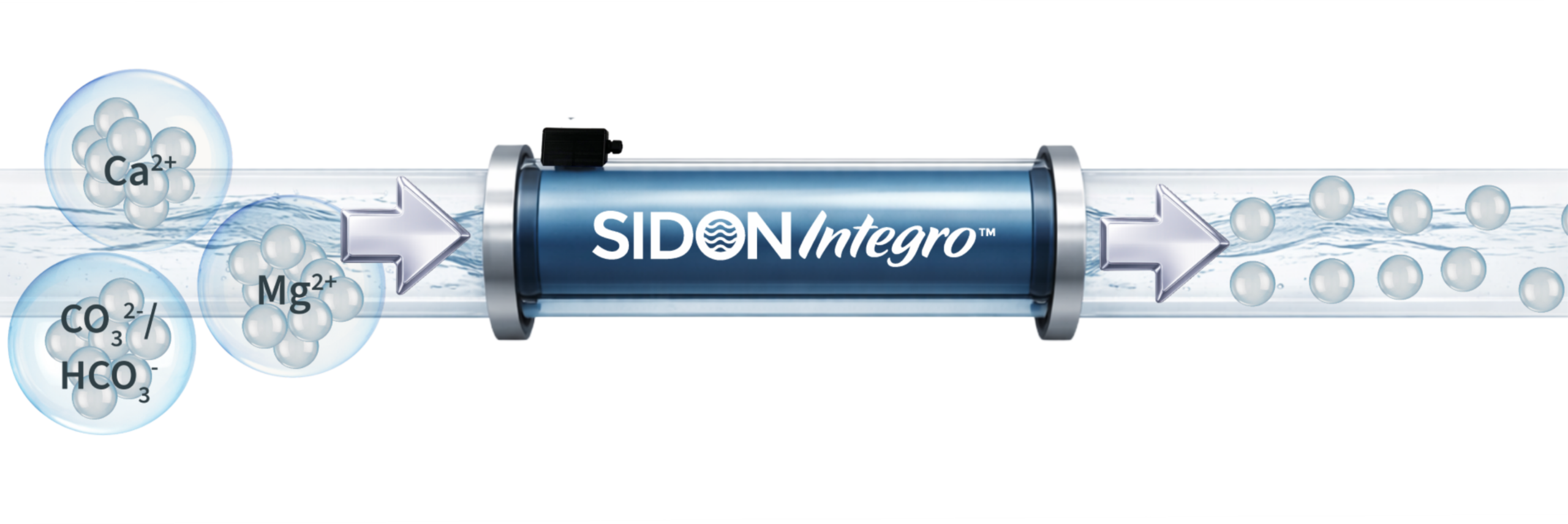
Come funziona Integro™
Integro modifica l'attività ionica dell'acqua, impedendo che il carbonato di calcio formi il tipico calcare duro e aderente sulle superfici. Ciò contribuisce a mantenere i minerali responsabili della durezza in sospensione nell'acqua che scorre, evitando che formino depositi densi sulle apparecchiature.
- I minerali che contribuiscono alla durezza disciolta e altre sostanze che causano la formazione di incrostazioni entrano nell'Integro insieme all'acqua che scorre.
- Quando l'acqua passa attraverso l'Integro, le condizioni elettrochimiche subiscono un'alterazione, impedendo il normale processo di formazione del calcare.
- Il risultato è un'acqua in cui il carbonato di calcio tende meno a formare incrostazioni dure e aderenti sulle superfici dell'impianto.
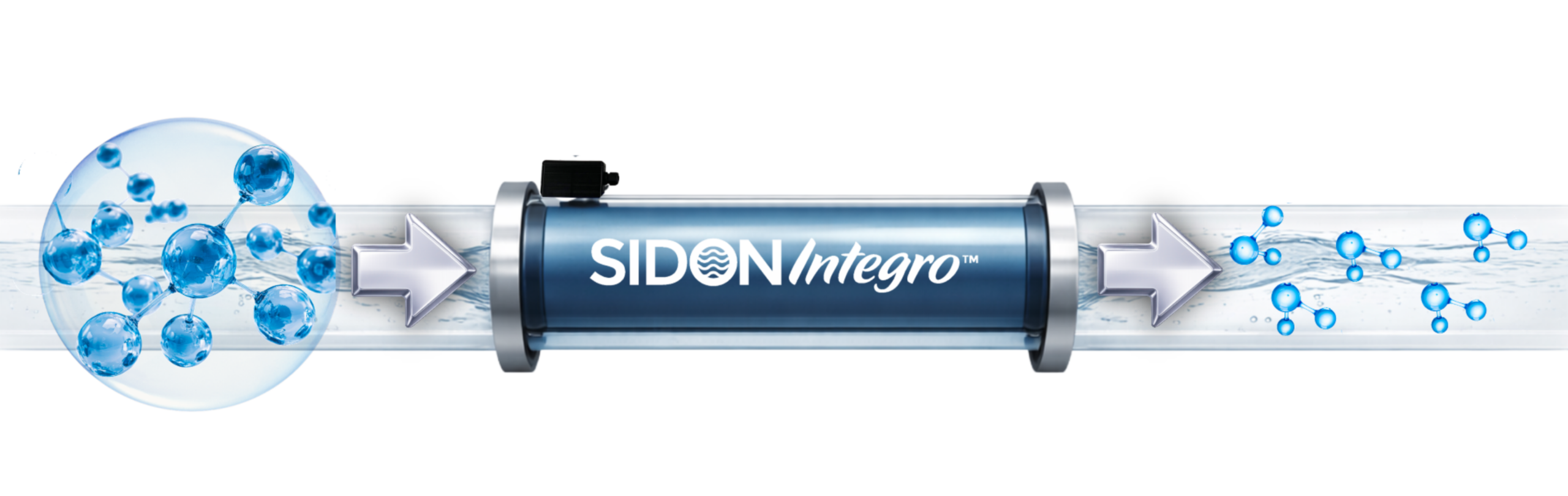
Il nostro effetto "Wetter Water"
Un ulteriore effetto associato all'acqua trattata con Integro è il miglioramento delle proprietà di bagnabilità. In termini pratici, questo fenomeno viene spesso definito "acqua più bagnante": si tratta di acqua che interagisce in modo più efficace con le superfici, i mezzi filtranti e le strutture a membrana.
- L'acqua entra nell'Integro nel suo normale stato agglomerato.
- Quando l'acqua attraversa l'Integro, il suo comportamento subisce una modifica tale da migliorare il contatto e il flusso attraverso i materiali filtranti.
- Il risultato può essere un'acqua "più fluida", ovvero un'acqua che attraversa più facilmente i materiali filtranti e le membrane, favorendo una migliore filtrazione e prestazioni ottimizzate dell'osmosi inversa.
Integro migliora...
L'utilizzo di Integro consente di ottenere rapidamente risparmi significativi e quantificabili. Le caratteristiche e i vantaggi della nostra soluzione includono:
Prevenzione e rimozione del calcare
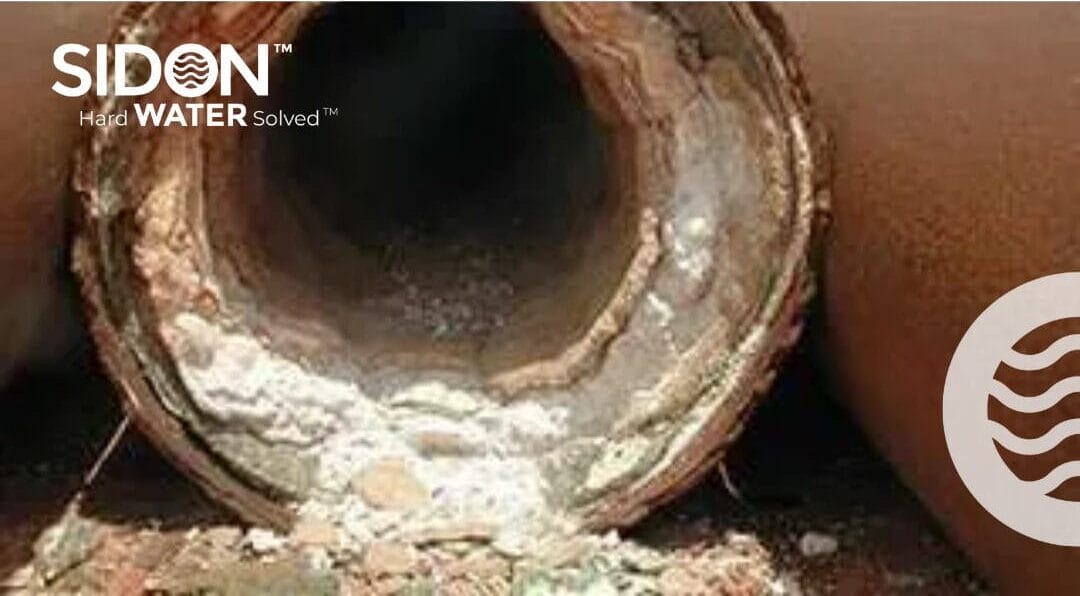
Il sistema Integro™ previene efficacemente la formazione di nuovo calcare e rimuove la maggior parte dei depositi esistenti entro 1-3 mesi.
Significativa riduzione della ruggine e della corrosione
Iniettando elettroni nell'acqua, Integro™ contribuisce a ridurre la corrosione nei vostri impianti, proteggendo le apparecchiature e prolungandone la durata.
Miglioramento del controllo batteriologico
Il sistema previene la formazione di calcare e biofilm, che possono ospitare batteri nocivi come la Legionella.
Riduzione del consumo energetico
Integro™ migliora il trasferimento di calore fino al 40% mantenendo pulite le superfici di riscaldamento.
Rispettoso dell'ambiente
Questa tecnologia è priva di sostanze chimiche e non richiede interventi di manutenzione programmata; riorganizza l'acqua in modo naturale senza danneggiare l'ambiente, garantendo un trattamento sostenibile ed economico.
Casi di studio sulla prevenzione e la rimozione del calcare
Scopri qui la nostra gamma completa di casi di studio




Frequently Asked Questions
Prevenzione e rimozione del calcare
Can removing old scale reveal leaks or existing defects?
Yes. Old scale can sometimes mask degraded seals, pinholes, failing valves or other defects. When historic deposits reduce, underlying mechanical problems may become visible. This is a system-condition issue rather than a new defect created by the treatment.
Can released deposits block strainers, filters or heat exchangers?
It can. Historical deposits that begin to release may migrate to filters, strainers, small orifices, shower heads or heat-exchanger passages. Where a system is heavily scaled, Sidon Water recommends an appropriate commissioning and inspection plan so released material can be managed.
Can released scale appear as flakes, powder or grit?
Yes. As historic deposits become less stable, some systems may release fine white material, grit, flakes or other debris. This can be a normal transitional effect and should be considered when commissioning older or heavily scaled systems.
How long does existing scale take to come away?
There is no fixed period. The rate depends on deposit thickness and composition, water chemistry, temperature, flow, system design and how long the deposit has been present. Field experience ranges from relatively rapid visible changes to progressive improvement over several months.
Does the Integro™ remove existing limescale?
The Integro™ is intended both to reduce new hard scale formation and to support gradual removal and destabilisation of existing deposits. Existing scale should not be expected to disappear immediately or uniformly from every part of a system.
How quickly will I notice a difference?
That depends on what is being measured. Reduction in new scale formation may be observed relatively quickly at some outlets or heat-transfer surfaces, while the gradual removal or destabilisation of historic deposits can take weeks or months (usually 1-3 months). Large, heavily scaled systems may take longer.
Does the Integro™ prevent every type of scale or deposit?
Does the Integro™ prevent every type of scale or deposit?
No technology should be presented as preventing every deposit under every condition. The Integro™ has primarily been tested with mineral scaling, particularly calcium-carbonate-related scale. Significant benefits have been observed in systems where deposits involving silica, iron, manganese, process contamination, corrosion products or biological material are present, but further quantification of effectiveness is needed in these areas.
Are there water chemistries or chemicals that may be unsuitable?
Yes. Applications involving strong caustics, unusual chemical dosing, aggressive cleaning-in-place regimes or specialist process chemistry should be reviewed before specification. The Integro™ should not be assumed to be compatible with every chemical-treatment programme without assessment.
Does the Integro™ work in very hard water?
Does the Integro™ work in very hard water?
The Integro™ has been used in very hard-water applications, including borehole supplies, and handles varying hardness levels without manual intervention or adjustment.
Is there a maximum water hardness for the Integro™?
No universal maximum has yet been defined. Hardness is only one part of the picture. Alkalinity, pH, temperature, dissolved solids, flow, pressure, residence time, the type of scale being formed, and other chemicals present in the system can all matter.
Is the Integro™ a water softener, and does it remove hardness minerals?
Is the Integro™ a water softener?
No. A conventional ion-exchange softener removes calcium and magnesium ions and replaces them, typically with sodium. The Integro™ does not remove hardness minerals and therefore does not chemically soften the water. It is a scale-management technology rather than an ion-exchange softener.
Does the Integro™ remove calcium and magnesium from the water?
No. Calcium and magnesium remain in the water. The objective is to change the way scale-forming minerals behave so they are less likely to form hard, adherent deposits on heat-transfer surfaces, pipework, valves, outlets and other equipment.
Will a hardness test show that the Integro™ is working?
Usually not. Because the hardness minerals remain in the water, a conventional hardness test may show little or no change before and after the Integro™. Performance should be assessed against the actual operational problem being treated, such as scale accumulation, maintenance frequency, heat-transfer performance or membrane behaviour.
How does the Integro™ reduce hard, adherent limescale?
Cos'è Integro™?
The Integro™ is an inline electrochemical water-conditioning system designed primarily to reduce the formation of hard, adherent mineral scale and to help existing scale deposits gradually become less stable. It treats water without salt-based regeneration, routine chemical dosing or sacrificial treatment media.
How does the Integro™ work?
Water passes through a purpose-designed treatment chamber in which a controlled electrochemical effect influences the way scale-forming minerals behave and crystallise. Rather than removing calcium and magnesium from the water, the Integro™ is designed to shift mineral growth away from hard, adherent deposits on equipment surfaces and towards less troublesome forms within the flowing water.