In desalination, even small drops in performance can have a real impact. Higher energy use, more frequent cleaning, greater pressure on membranes and rising operating costs can all build over time, putting pressure on plant efficiency and long-term reliability.
That is why Sidon Water is focused on a simple but important idea: improving performance before the water even reaches the membrane.
Our Integro™ technology conditions feedwater upstream of the reverse osmosis process, helping create better conditions for the system to operate effectively from the outset. Instead of adding unnecessary complexity, it is designed to support a cleaner, more stable and more efficient process within the existing operation.
This matters because many of the challenges in SWRO do not begin with a major failure. They build gradually, as membranes come under more strain and systems have to work harder to maintain the same level of performance. Over time, that can mean higher energy demand, greater chemical use and more stress across the plant.
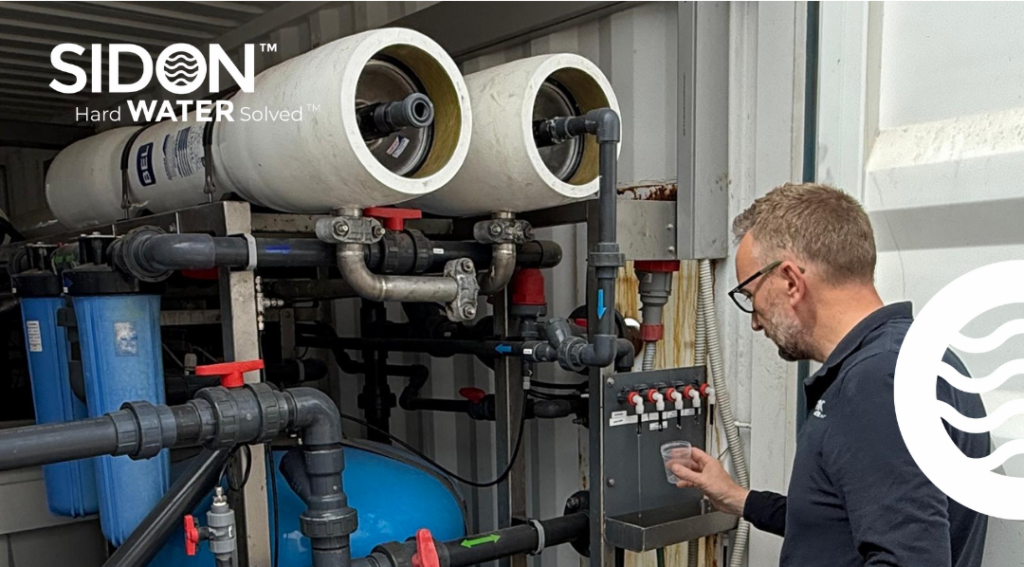
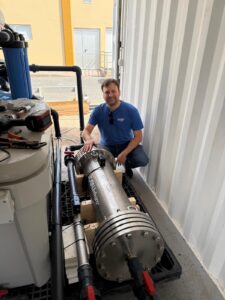
Recent live SWRO trials at ITC in Gran Canaria delivered encouraging results. Compared with baseline operation, treated conditions produced better permeate quality, maintained output and reduced specific energy consumption. The most noticeable improvement was in permeate conductivity, pointing to cleaner separation under live operating conditions.
What makes that especially significant is that the effect was seen within a short trial period, during live plant operation. That suggests upstream conditioning may do more than support long-term system care. It also helps improve day-to-day performance from the outset by creating a better operating environment for the membrane itself.
For operators, that mean practical benefits across the plant: improved water quality, lower energy use, reduced reliance on chemicals and less strain on membranes over time. In a sector under increasing pressure to improve efficiency, reliability and sustainability, those are benefits that matter.
Just as importantly, the results point to a practical way to improve performance without redesigning the membrane train or introducing additional chemical treatment. That is a serious advantage for operators looking for realistic, scalable gains rather than major system change.
Of course, short trials are only the beginning. Longer-term testing under harsher feed conditions will continue to build the picture. But these early live results already provide a strong indication that upstream water conditioning deserves serious attention in SWRO.
At Sidon Water, we believe upstream water conditioning has an important role to play in the future of desalination – helping plants run more efficiently, more reliably and more sustainably.
Read the white paper to see the full trial findings, including the test set-up, performance data and what the results could mean for desalination operators, or alternatively watch our short video.
Want to discuss what this could look like at your site? Contact Sidon Water to explore the next step with Integro™.